
Why Summer Is Peak Season for Tendon Injuries
And what you can do about it before a minor ache becomes a major problem
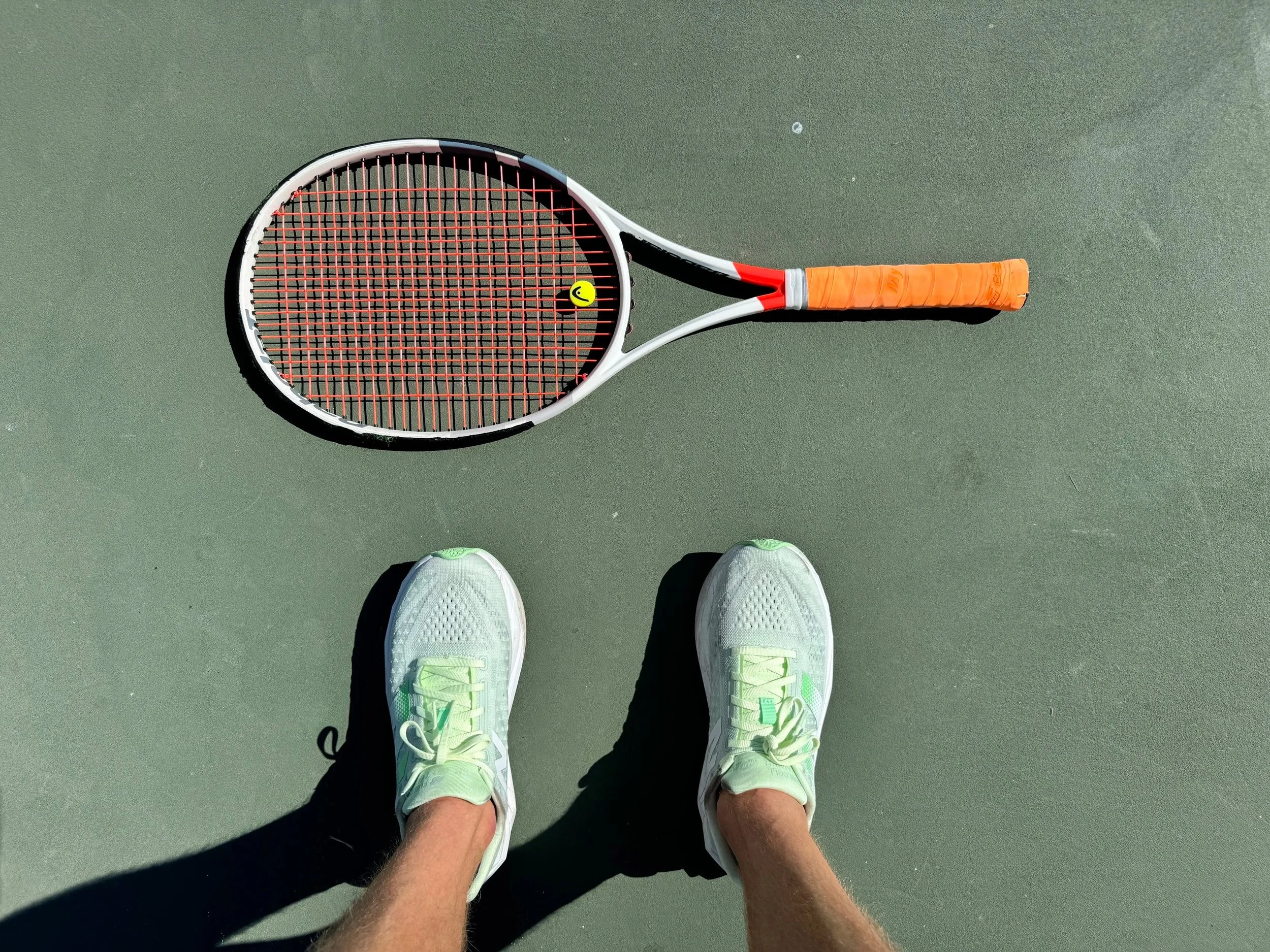
Every summer, the same pattern plays out at the clinic. Someone who spent the winter relatively inactive picks up their golf clubs again, dusts off their bike, laces up for tennis, or steps back into the baseball lineup. A few weeks in, a familiar pain shows up: the back of the heel, the outer elbow, the front of the knee, the base of the foot.
The frustrating part? They just went back to doing what they love.
So why does summer seem to bring a wave of tendon injuries every year? And more importantly, what can you do about it?
It is not the heat. It is the load. (How much stress you're putting on your body.)
The common assumption is that summer heat, dehydration, or harder playing surfaces are to blame. These can be contributing factors, but the real culprit is almost always a sudden spike in activity after a period of relative rest.
Tendons are remarkably adaptable structures. They respond to load by gradually strengthening and stiffening their collagen matrix. But this process is slow. While your cardiovascular fitness can return relatively quickly after a break, your tendons take weeks to months to fully recondition to the demands of a sport.
When you go from a quiet winter to a full summer schedule too quickly, your cardiovascular system says yes before your tendons are ready. The result is a mismatch between what you want to do and what your tissues can currently tolerate.
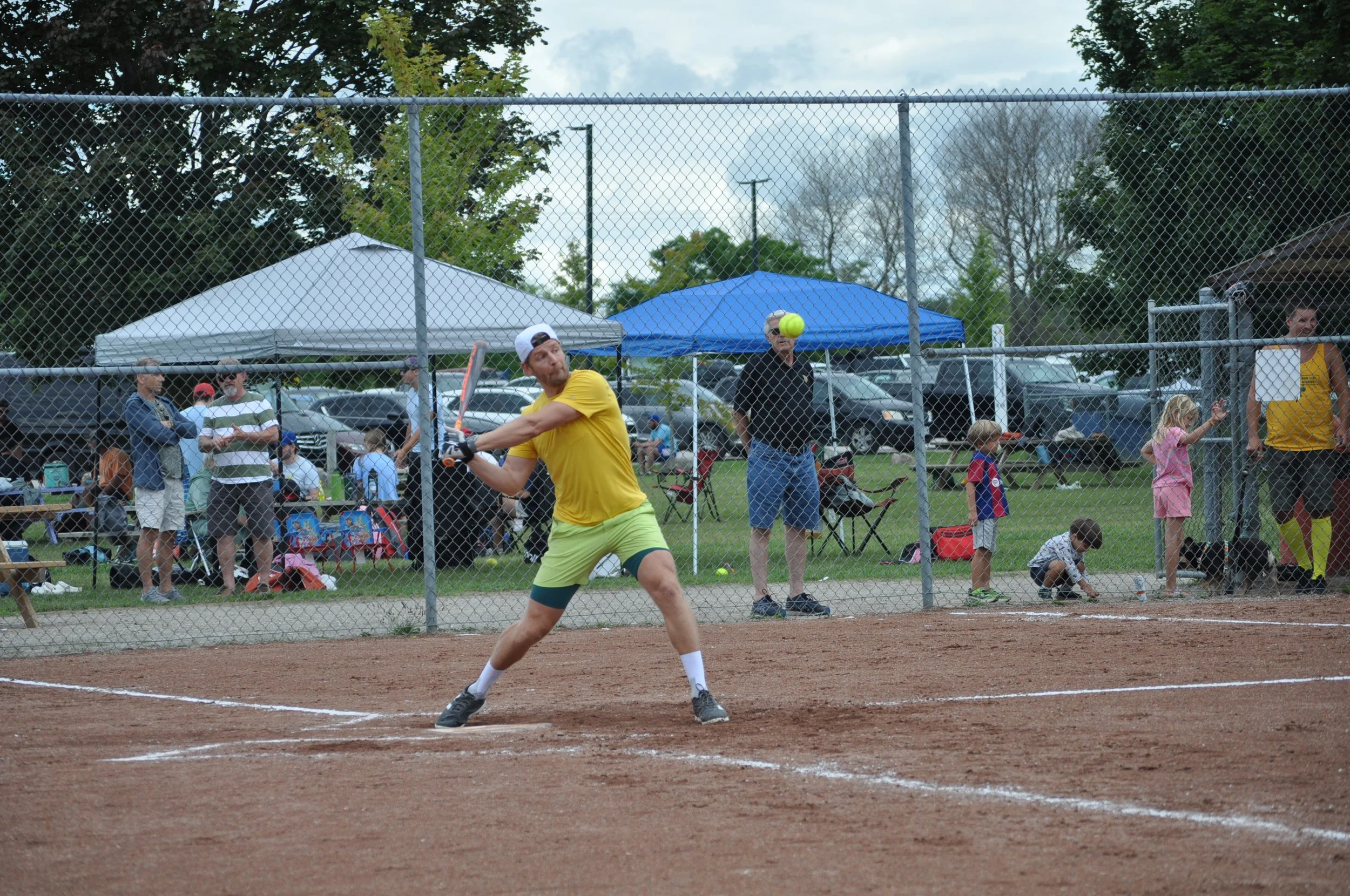
The summer sports most likely to overload your tendons
Certain sports are particularly hard on specific tendons. Here is what we see most frequently:
Golf: lateral elbow and wrist extensors
The rotational demands of a golf swing place significant load through the forearm tendons. After months off, even a normal round represents a sharp jump in repetitive stress. Lateral epicondylalgia (tennis elbow) is common, as is medial elbow involvement for golfers with a forceful grip or ball-striking technique.
Cycling: patellar and quadriceps tendons
High-volume cycling, especially with a saddle position that is too low or cleats that are misaligned, loads the knee extensor mechanism repeatedly. Patellar tendinopathy is a frequent complaint in cyclists ramping up distance in spring and early summer. It tends to present as a sharp, localized pain just below the kneecap that is worst at the start of a ride and after sitting for long periods.
Tennis: lateral elbow and Achilles
Repetitive racquet loading stresses the wrist extensor tendons, while the explosive lateral movements and push-off demands of tennis place the Achilles under significant strain. Players returning after a winter break often underestimate how much eccentric load the Achilles absorbs during court sport.
Baseball: rotator cuff and proximal hamstring
Throwing from cold, particularly without adequate warm-up and progressive return to throwing volume, is one of the most reliable ways to develop rotator cuff tendinopathy. In outfielders and base runners, proximal hamstring tendinopathy is also common, driven by the explosive acceleration demands of the sport combined with prolonged sitting in between plays.
Early warning signs you should not ignore
Tendon injuries rarely appear out of nowhere. They announce themselves first. The problem is that the early signals are easy to dismiss as normal soreness, which is how a manageable issue becomes a chronic one.
Pay attention to:
Pain that is sharp and localized at the start of activity but warms up within 10 to 15 minutes
Stiffness and aching the morning after a session
A gradual increase in discomfort over successive training days without a full recovery in between
Tenderness when you press directly on the tendon
Pain that begins to limit your performance or change the way you move
The key distinction is between muscle soreness, which is diffuse and improves with gentle movement, and tendon irritation, which is focal, persists, and tends to worsen if you push through it.
What actually helps: the evidence behind tendon rehabilitation
The single most important treatment principle for tendinopathy is progressive loading. Tendons do not respond well to complete rest. Prolonged offloading leads to tendon deconditioning and does not address the underlying tissue changes that drive the pain. What tendons need is the right amount of load, applied consistently and progressively over time.
A well-designed tendon rehabilitation program typically involves:
Isometric exercises in the early irritable phase to reduce pain and maintain tissue stimulus
Progressive isotonic loading to rebuild tendon capacity
Sport-specific loading in the later stages to prepare the tendon for return to full activity
This is not a quick process. Most tendinopathies require 8 to 12 weeks of consistent, well-structured rehabilitation to resolve properly. Shorter interventions that mask the pain without addressing the underlying load tolerance deficit tend to result in recurrence.
Where shockwave therapy fits in
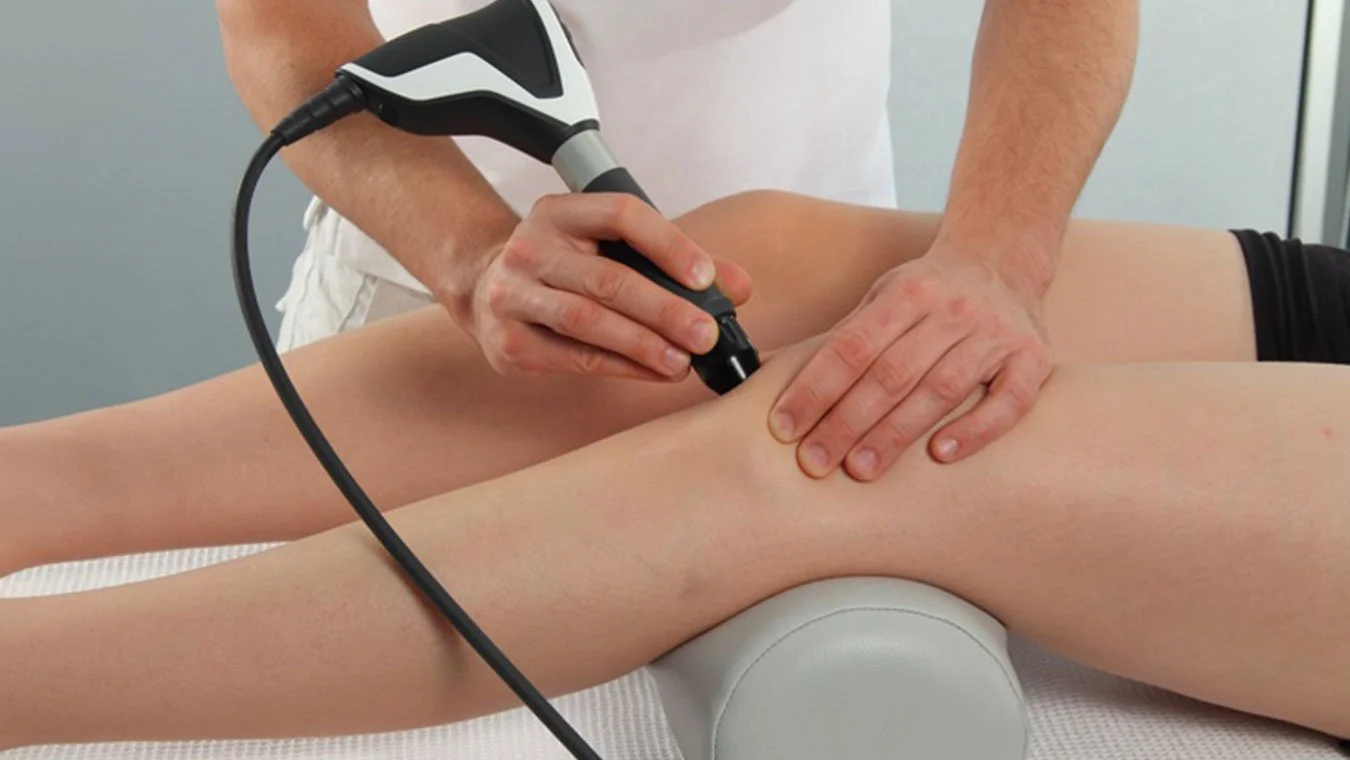
For tendon injuries that are not responding to exercise-based rehabilitation alone, or for chronic presentations where the tendon has been symptomatic for three months or more, shockwave therapy is one of the most evidence-supported adjunct treatments available.
Focused shockwave delivers acoustic energy directly to the affected tendon tissue. The proposed mechanisms include stimulation of collagen synthesis, disruption of calcific deposits, neovascularization, and a local neurological effect that modulates pain signalling. In clinical practice, the results can be significant, particularly for conditions like:
Lateral and medial epicondylalgia (tennis and golfer's elbow)
Patellar tendinopathy
Achilles tendinopathy
Plantar fasciopathy
Rotator cuff tendinopathy
Shockwave is typically delivered over three to five sessions spaced one week apart. It works best when combined with a structured loading program rather than used in isolation. At arPhysio, we use shockwave as part of a broader treatment plan that includes manual therapy, exercise rehabilitation, and load management guidance specific to your sport.
The best thing you can do right now
If you are a few weeks into your summer sport season and noticing the early signs of tendon irritation, the best window to act is now. Tendinopathies caught early respond well and quickly. Left alone, they tend to become chronic, more difficult to treat, and more disruptive to your season.
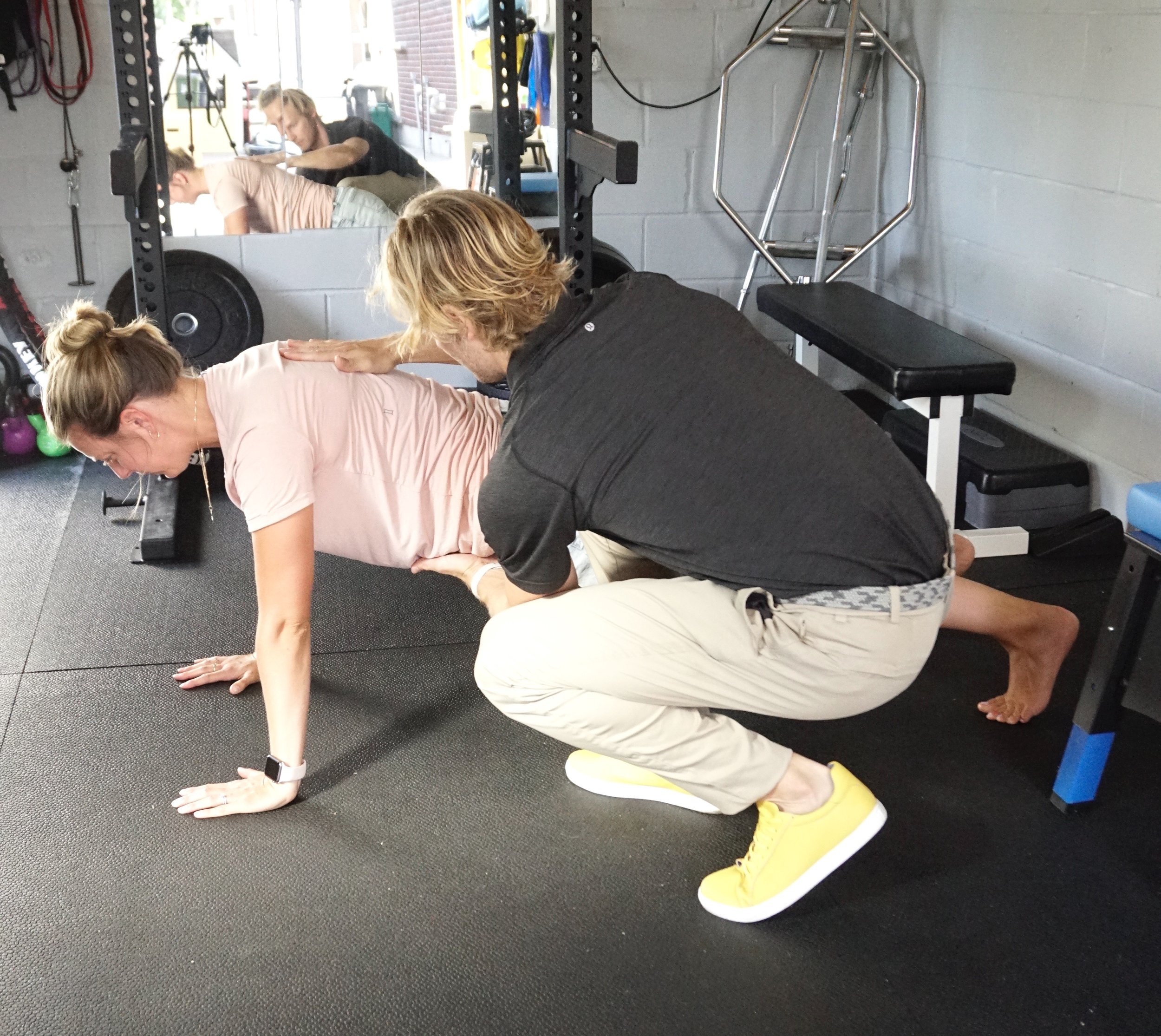
A physiotherapy assessment will identify the specific tendon involved, assess your contributing load and movement factors, and get you started on a program that lets you keep doing your sport while the tissue recovers.
Do not wait until the pain forces you to stop.
Book a tendon assessment at arPhysio
Whether you are dealing with a fresh flare-up or a nagging issue that has been hanging around all season, I can help you get on top of it. I work closely with sport and activity-related injuries and I have extensive experience with both exercise-based rehabilitation and shockwave therapy.
Visit arphysio.ca or call us to book your appointment.
Live Active and Prosper,
Aras Ruslys
Registered Physiotherapist, FCAMPT certified
Certified Concussion and Vestibular Rehabilitation Management