
The Concussion Symptom Nobody Talks About: Sleep, Brain Fog, and What You Can Do

You had a concussion. The headaches are better. The light sensitivity has mostly settled. Your doctor says you should be feeling fine by now, so why are you still exhausted by noon, can't finish a sentence without losing your train of thought, and wake up at 3am staring at the ceiling?
You are not imagining it. And you are not alone.
Sleep disruption and brain fog are among the most common and least discussed symptoms of concussion recovery. They affect quality of life profoundly, they often linger long after the "typical" recovery window, and they rarely resolve on their own without the right approach.
What Is Brain Fog, Really?
Brain fog is not a medical diagnosis, but the experience is very real. Patients describe it as:
Difficulty concentrating or following conversations
Forgetting words mid-sentence
Feeling mentally "slow" or like you're thinking through cotton
Struggling to multitask or handle busy environments
Mental exhaustion after tasks that used to feel effortless
After a concussion, the brain has experienced a neurometabolic disruption, a mismatch between the energy it needs between the energy it needs to function and the energy available to it. Cognitive tasks that were once automatic now require far more effort, and the brain tires quickly. This is brain fog.
Why Concussion Disrupts Sleep

Sleep and concussion have a complicated relationship. The injury itself directly affects the parts of the brain that regulate sleep, including the hypothalamus, brainstem, and circadian systems. This is why concussion commonly results in any of the following:
Difficulty falling asleep despite being exhausted
Frequent waking throughout the night
Sleeping far longer than normal but still feeling unrefreshed
Altered sleep cycles, with less deep and restorative sleep
Increased sleep pressure (needing to nap constantly)
Here's the cruel irony: poor sleep worsens brain fog, and brain fog increases fatigue, which disrupts sleep further. It becomes a vicious cycle that is very hard to break without guidance.
Why These Symptoms Are Often Missed or Dismissed
There are a few reasons these symptoms frequently go unaddressed:
They are invisible, as no imaging test shows brain fog
They peak after physical symptoms have already resolved, leading patients (and sometimes providers) to assume recovery is complete
They overlap with anxiety and depression, which are also common post-concussion, adding to the confusion
Patients often compensate by pushing through, over-caffeinating, withdrawing socially, masking how significantly they are struggling
If you have ever been told "it's just stress" or "give it more time," and something still doesn't feel right, trust that instinct. Persistent cognitive and sleep symptoms beyond 4 weeks warrant a structured rehabilitation approach.
What Actually Helps: A Physiotherapy Approach
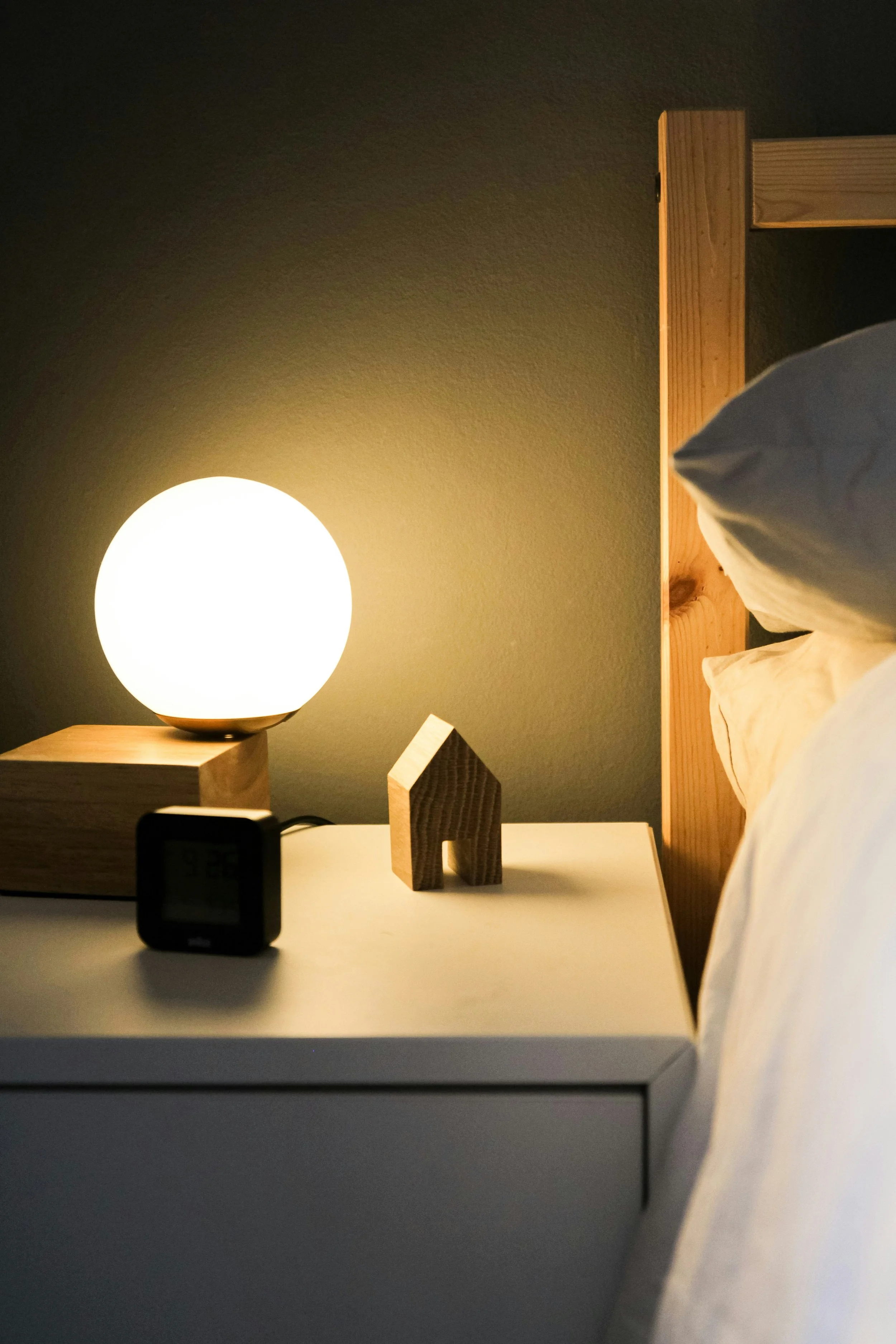
Concussion rehabilitation is NOT about rest and waiting. Research has consistently shown that graduated, active rehabilitation, guided carefully to stay within symptom tolerance, leads to better outcomes than prolonged rest. It can be easy to want to just take it easy and rest, or use those quick daytime naps to “recharge” your body battery. Trust me, and the many other concussion rehabilitation providers, it’s not the answer. It may seem counter-intuitive to push a little, feel some MILD symptoms during the rehabilitation process, but this is all part of the recovery process that aides your body and brain in learning to tolerate a variety of load or stimulation again.
1. Graded Aerobic Exercise
Subsymptom-threshold aerobic exercise (activity that raises your heart rate without triggering symptoms) has been shown to improve cerebral blood flow regulation, sleep quality, and fatigue. This is one of the most powerful tools in concussion rehab, and it must be progressed carefully and individually.
2. Cognitive Load Management
We help patients understand their cognitive “energy” budget, meaning how to structure their day to accomplish what matters most while avoiding the boom-bust cycle of over-exertion followed by crashes. This includes strategies for screen time, work demands, and social engagement.
3. Sleep Hygiene and Circadian Reset
Targeted sleep strategies, including anchored wake times, light exposure protocols, stimulus control, and reducing sleep anxiety, can significantly restore sleep architecture after concussion. These are evidence-based behavioural interventions, not just generic "sleep tips."
4. Vestibular and Visual Rehabilitation
Vestibular dysfunction, which involves the inner ear and balance systems, is a major but underrecognized driver of fatigue and cognitive load after concussion. When the vestibular system is working overtime trying to orient you in space, it drains cognitive resources. Treating this directly often has a significant knock-on effect on brain fog and sleep.
When Should You Seek Help?
Consider reaching out if any of the following apply:
Brain fog or cognitive fatigue has persisted beyond 3–4 weeks post-injury
Sleep is consistently disrupted and not improving
You have returned to work or school but are struggling significantly
Symptoms worsen with physical or cognitive activity
You feel like you have recovered physically but are "not yourself" mentally
You do not have to wait for things to resolve on their own. Early intervention is associated with faster and more complete recovery.
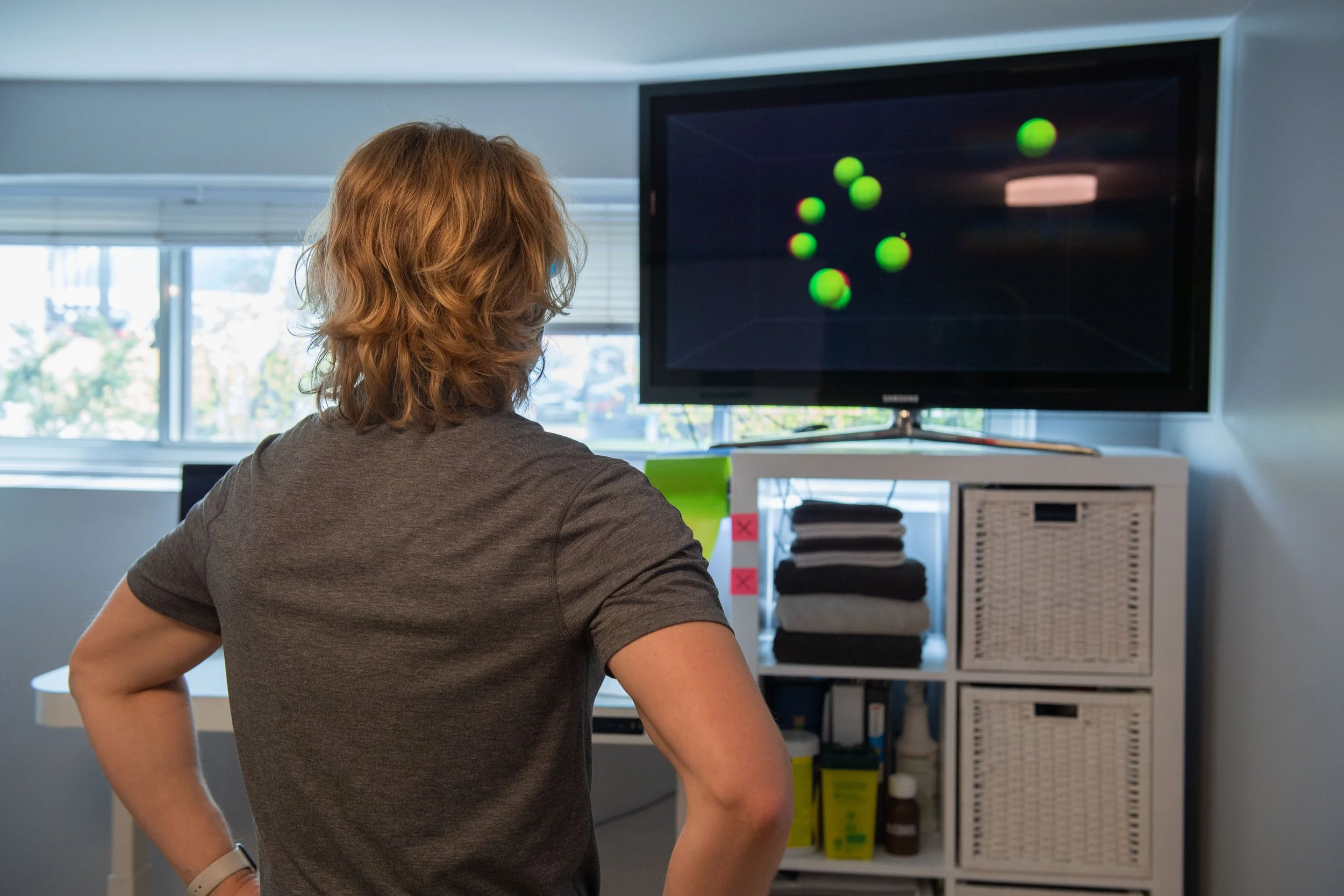
At arPhysio, concussion rehabilitation is one of my core specialties. I take a one-on-one, individualized approach, addressing not just the physical symptoms, but the cognitive fatigue, sleep disruption, and vestibular components that so often get left behind. If you or someone you know is still struggling after a concussion, I would love to help.
Book a consultation at www.arphysio.ca or call me at (647) 890-2761.
Live Active and Prosper,
Aras Ruslys
Registered Physiotherapist, FCAMPT certified
Certified Concussion and Vestibular Rehabilitation Management